



Digital Human Performance
In partnership with LSU Athletics, funded by NASA and other partners
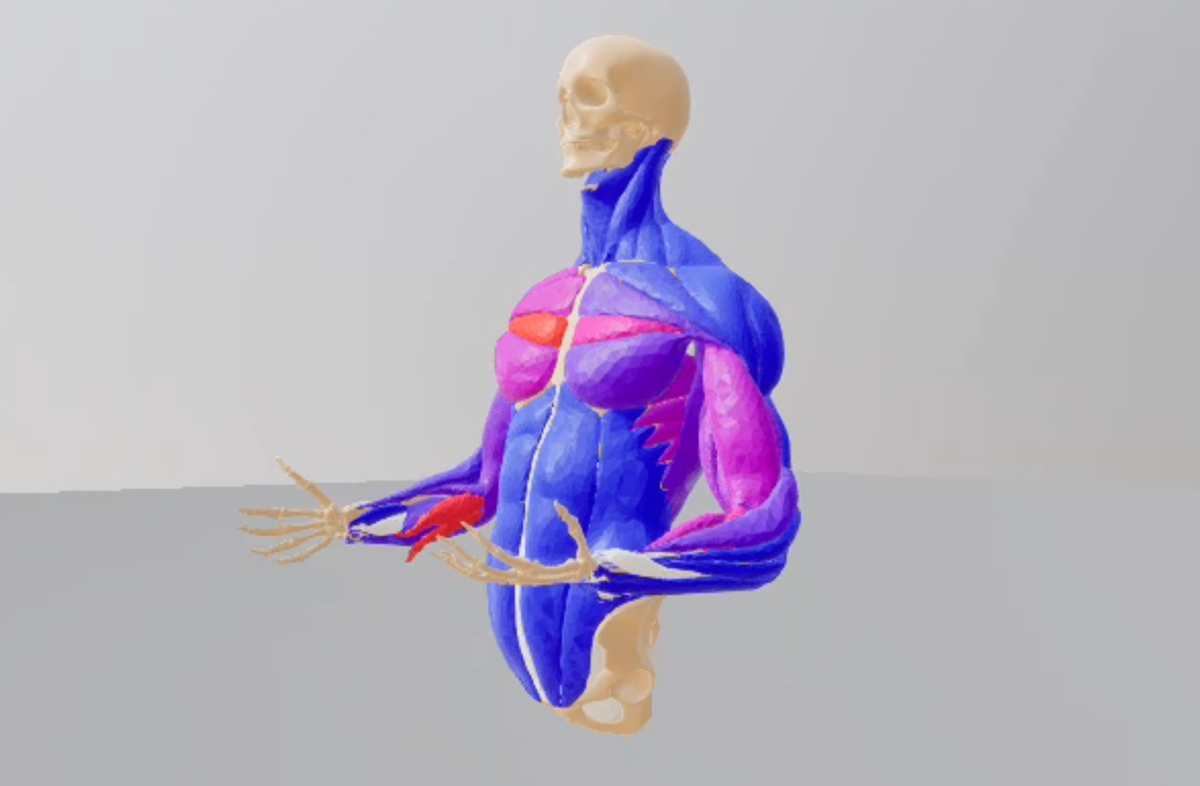
Our newest research focus area is Digital Humans, in which we are building a first of its kind immersive, avatar-based interface for human performance. The project is a partnership with LSU Athletics, funded by NASA and other partners.
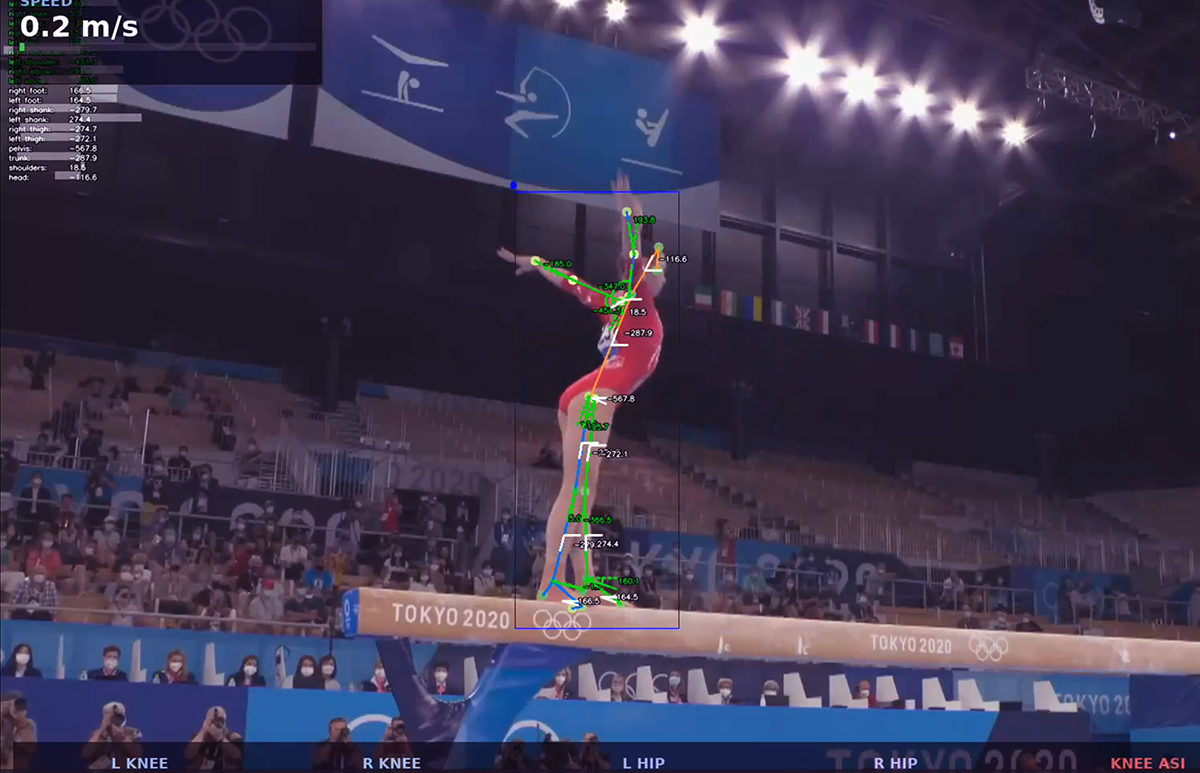
The interface correlates large, disparate health and wellness data types onto a dynamic avatar of the person. Training loads, sleep, nutrition, biomechanics, and medical data converge in a single embodied view for the first time. The avatar becomes the foundation for AI-powered tools and dashboards that serve coaches, trainers, mission planners, and more. Human performance is a systems problem, and the body itself is the interface where those systems become readable.
Student work groups drive the research across its component problems: biological modeling, 4D Gaussian splatting, volumetric video analysis, game video analysis, and injury recovery and prediction. Each group owns a piece of the pipeline, from reconstructing bodies in motion as volumetric data to training models that read competition footage the way an analyst does. The techniques are drawn from entertainment production and pointed at science, which is how the XR Studio works.
The avatar work grows directly out of our motion capture and digital human pipeline, and its future reaches well beyond sport. The same interface that helps a coaching staff develop an athlete helps a mission planner assess a crew, and the platform extends toward human-robot collaboration in off-world construction, where machines and people must read each other's state to work safely together. Security, emergency response, and defense applications follow the same logic: high-stakes decisions about human readiness, made from fragmented data, deserve one coherent view of the human.